
On October 5, 2026, the Higher Education Forum on Digitalization (HFD) announced the winners of the “Digital Sovereignty” ideas competition. GenAi@KIT is one of three award-winning projects. In this article, we show how the core elements of our sovereignty strategy specifically fulfill the HFD’s “7 Theses for Practice.”
Weitere Infos
What will the future of mobility look like?
At the “Futures Lab” Science Camp at KIT, young people developed their own ideas for sustainability, equity, and innovation in mobility. They explored current research on autonomous vehicles, traffic data, and new technologies; discussed people’s needs; and visualized their future scenarios using 3D printing and AI.
In this way, the science camp combined futures studies, technical development, and the users’ perspective.
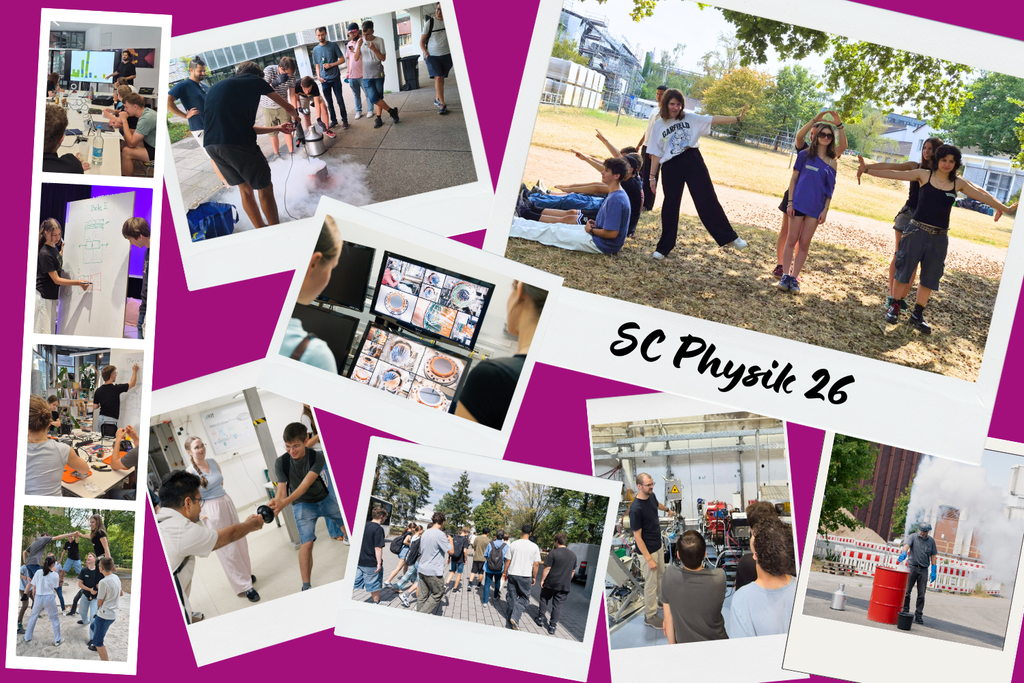
What do the smallest building blocks of our world reveal about the universe? Thirty students spent a week exploring this question at the “Particle and Astroparticle Physics” science camp at KIT. They learned about current research, visited research facilities, and conducted measurements and data analyses as part of their own projects.
At the end of the camp, the students presented their research findings and demonstrated just how exciting it can be to conduct scientific research on their own.
Science CampsStay up to date...

Center for Technology-Enhanced Learning
Building 50.19
Adenauerring 12
76133 Karlsruhe
Germany

Digital People Interviews
In our Digital People Interviews, we introduce you to people who have immersed themselves in the digital world and are helping to shape it through new structures, their teaching, or their innovations.
Elisabeth Lampart
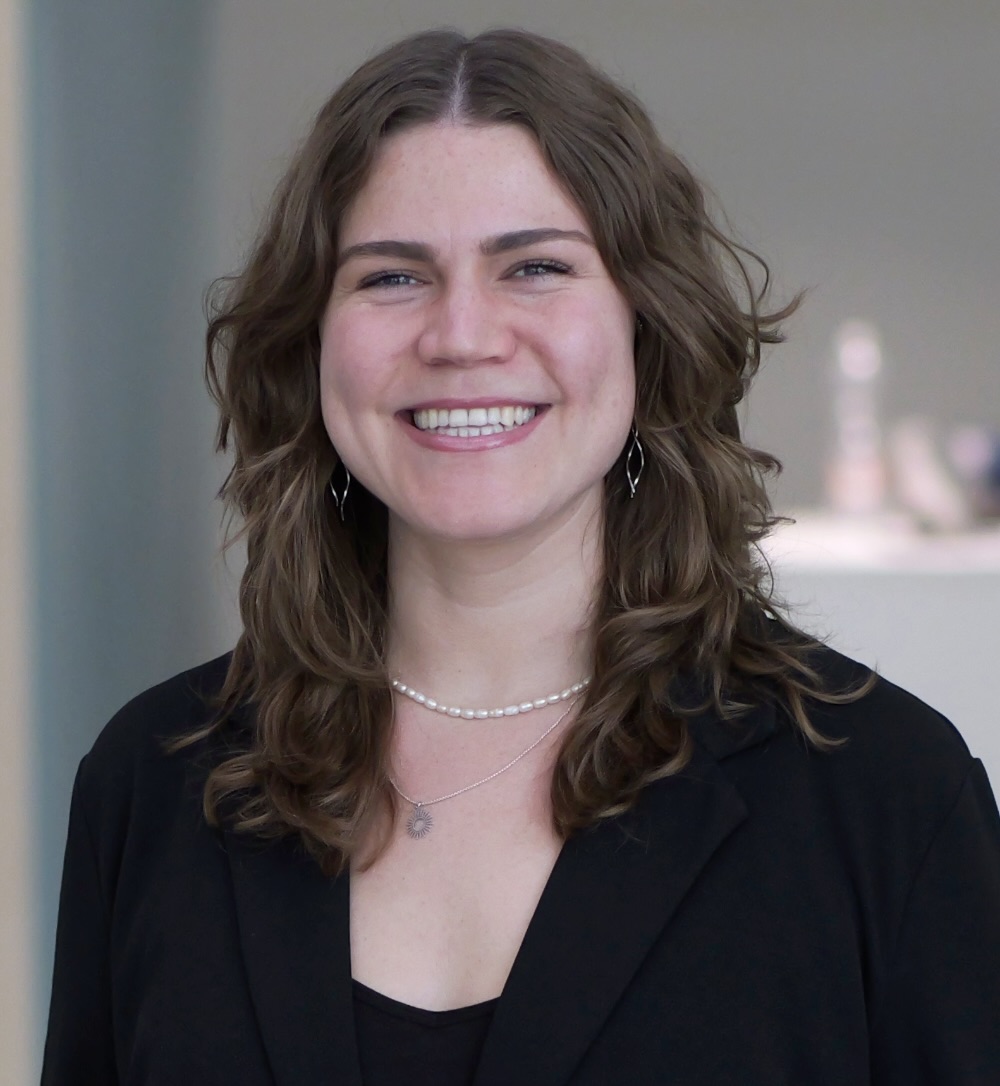
Episode 26:
The bwDigiRecht Legal Information Center focuses on the legal framework for digital higher education. Coordinated by KIT and jointly supported by universities in Baden-Württemberg, the institution offers statewide support in the practical analysis of current legal issues and the cross-university development of solutions.
To the interview
Kora Kristof
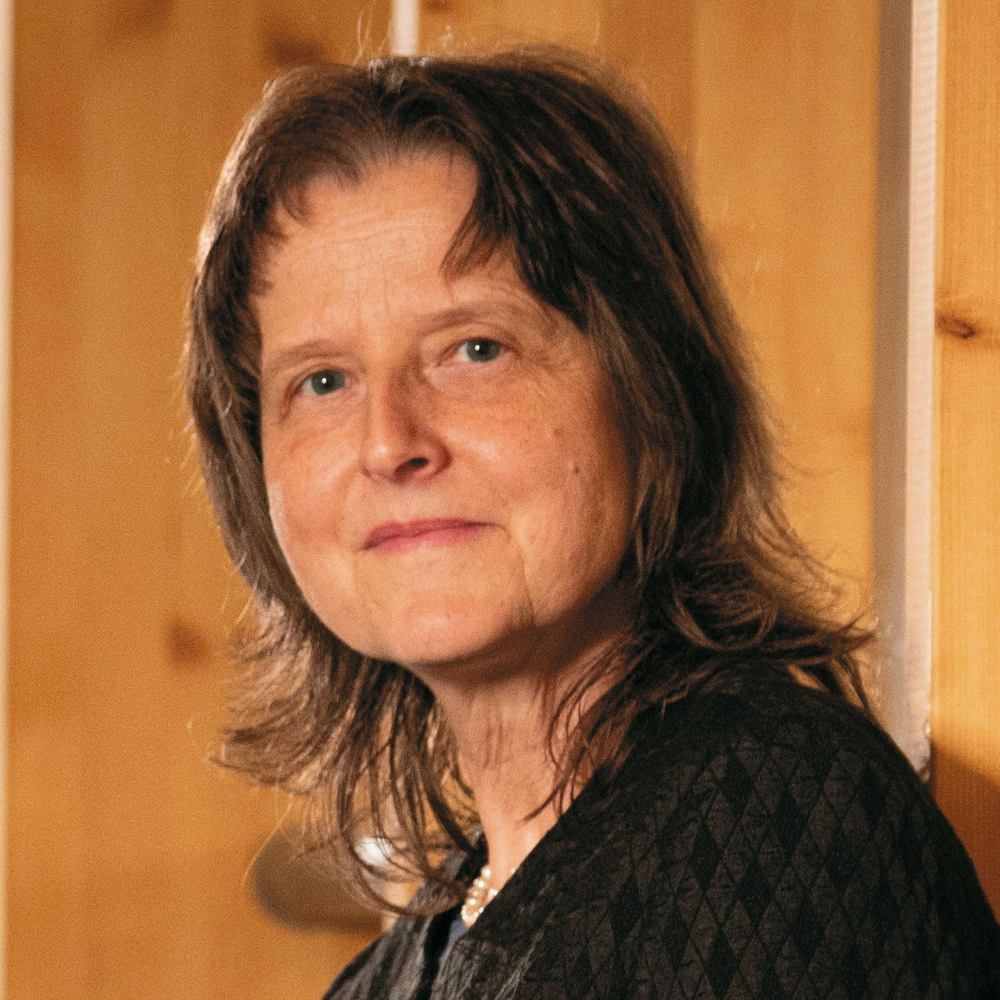
Episode 25:
Professor Dr. Kora Kristof assumed the role of Vice President Digitalization and Sustainability at KIT on March 1, 2023. Concurrently, she holds the position of Chief Information Officer (CIO) at KIT. Since 2026, she has also served as acting Scientific Director of the ZML. (NL01/2026)
Read the interview
Episode 24:
Alexander Mädche is a professor at KIT’s Institute of Information Systems (WIN), where he heads the Human-Centered Systems Lab. In his interview, he discusses the MenschKI! project and the impacts he expects from the integration of generative AI into the workplace. (NL03/25)
Highlights
Here you will find selected highlights from our work. We would be happy to advise you individually if you want to realize similar projects or have completely new ideas.