

Digital People: Interview with experts
Here, through interviews, we introduce you to people who have immersed themselves in the digital world and are helping to shape it through new structures, through their teaching or their innovation(s).
The bwDigiRecht Legal Information Center focuses on the legal framework for digital higher education. Coordinated by KIT and jointly supported by universities in Baden-Württemberg, the institution provides statewide support in the practical analysis of current legal issues and the development of solutions across institutions.
To the interview (in German)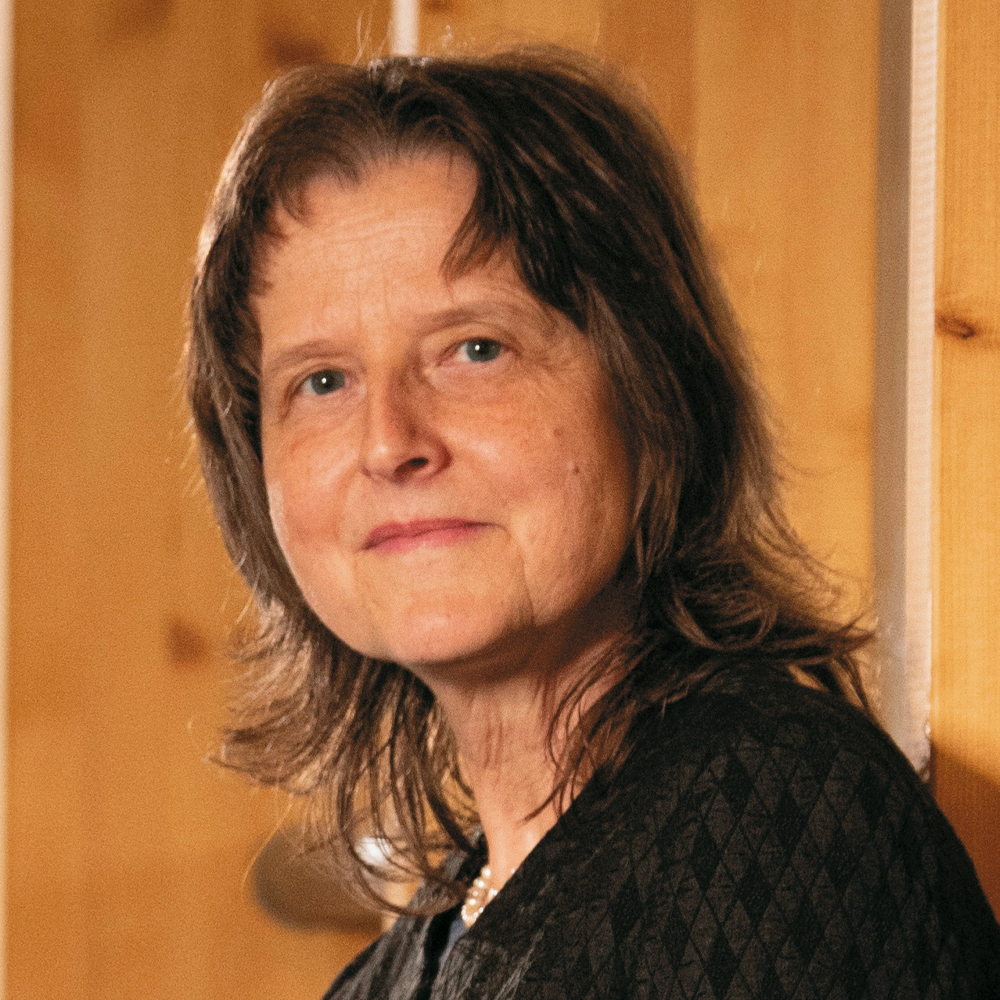
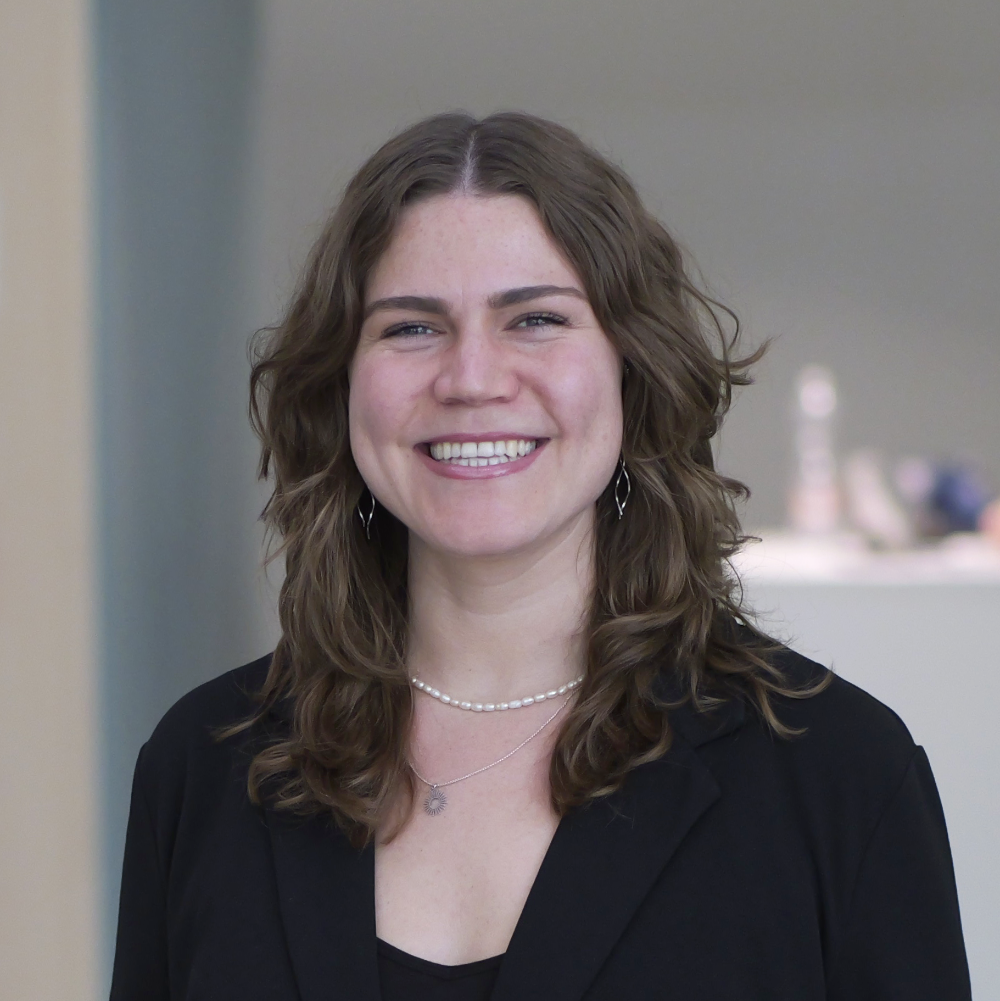
Professor Dr. Kora Kristof assumed the role of Vice President Digitalization and Sustainability at KIT on March 1, 2023. At the same time, she holds the position of Chief Information Officer (CIO) at KIT. Since 2026, she has also served as acting Scientific Director of the ZML.
To the interview (in German)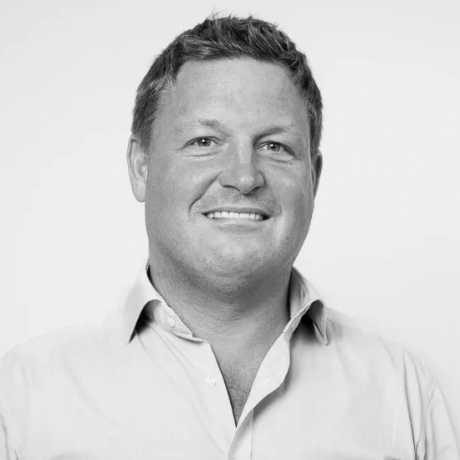
Alexander Mädche is a professor of business informatics at KIT and heads the Human-Centered Systems Lab at the Institute for Business Informatics. In this interview, he explains the MenschKI! project and highlights how generative AI can be further integrated into higher education and the workplace.
(NL03/2025)
To the interview (in German)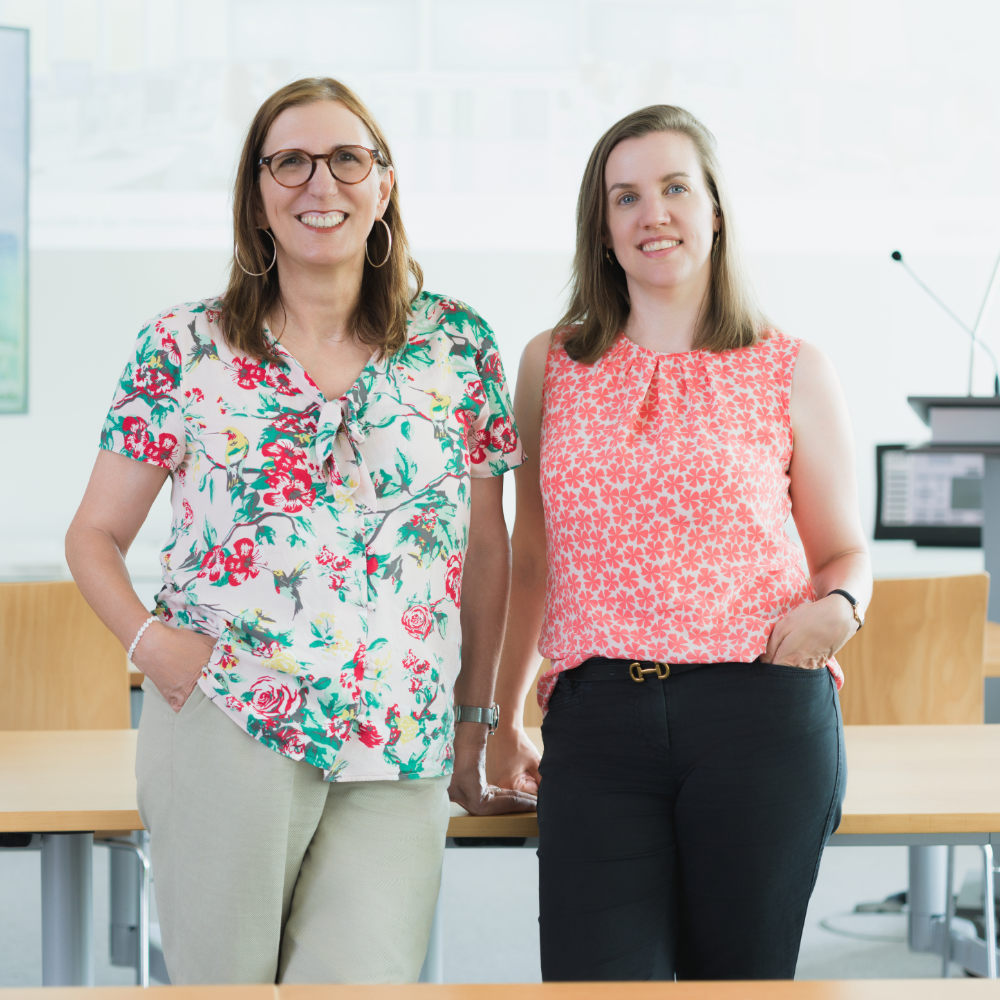
In their interview, Viktoria Fitterer, Head of Campus Services (CSE), and Theresa Schlegel, Head of Facility Management (FM), discuss the UP D1 digitalization project, “Teaching and Learning Spaces for Faculty and Students.” Among other things, they discuss the challenges they’ve had to overcome and how the project is contributing to greater accessibility, inclusion, and internationalization of teaching at KIT. (NL02/2025)
To the interview (in German)%20KIT%20Breig_quad_rdax_98.png)
Annette Leßmöllmann holds a Ph.D. in linguistics and teaches at KIT in the “Science, Media, and Communication” bachelor’s and master’s programs, among others. In this interview, she gives us a deeper insight into science communication, highlighting current trends and its fundamental pillars. InformatiKOM also plays an important role in this context. (NL01/2025)
To the interview (in German)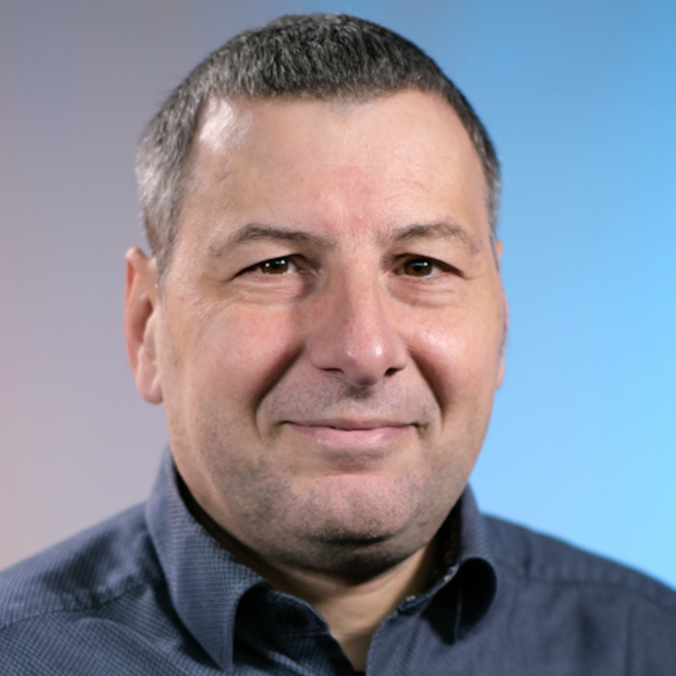
As a staff member at the Center for Technology-Enhanced Learning (ZML), Andreas Sexauer is driving the development of digital educational technologies for use in teaching at KIT. He is currently focusing on artificial intelligence, hybrid teaching formats, and Media Production. (NL03/2024)
To the interview (in German)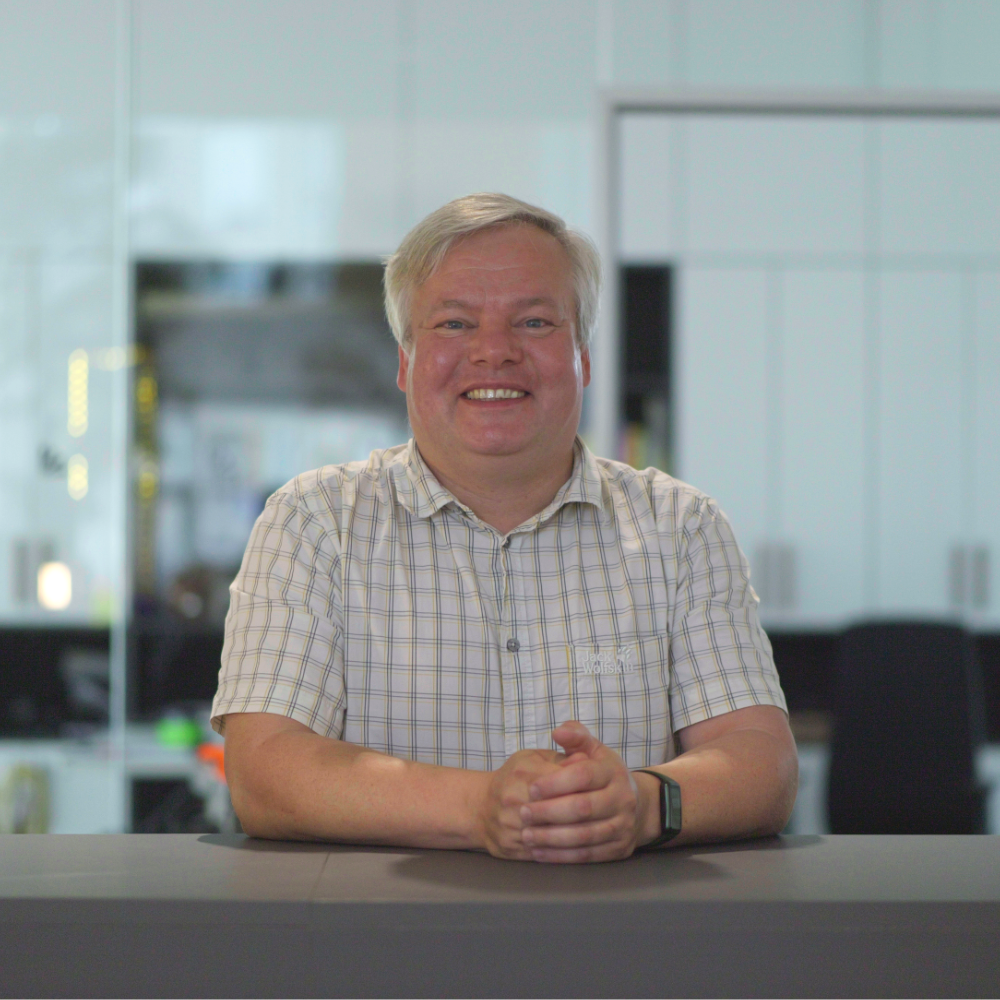
In the 20th episode, Andreas Reichert answers our questions. He heads the Media Center at the KIT Library at the Karlsruhe Institute of Technology (KIT). (NL02/2024)
To the interview (in German)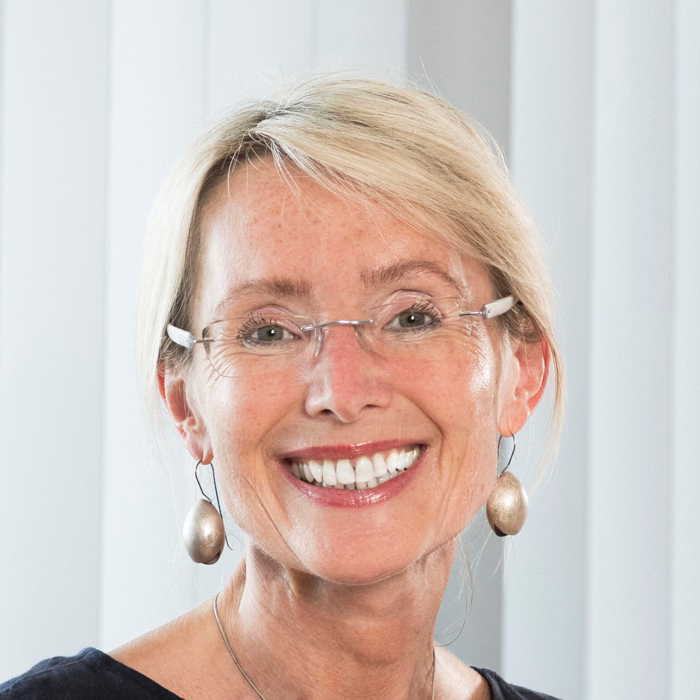
Monika Landgraf heads the Corporate Communications (Department od. Group) at KIT. She also serves as KIT’s press spokesperson, deputy head of the Executive Office and Strategy (STS) business unit, and acting head of the Central Marketing Department. (NL03/2023)
To the interview (in German)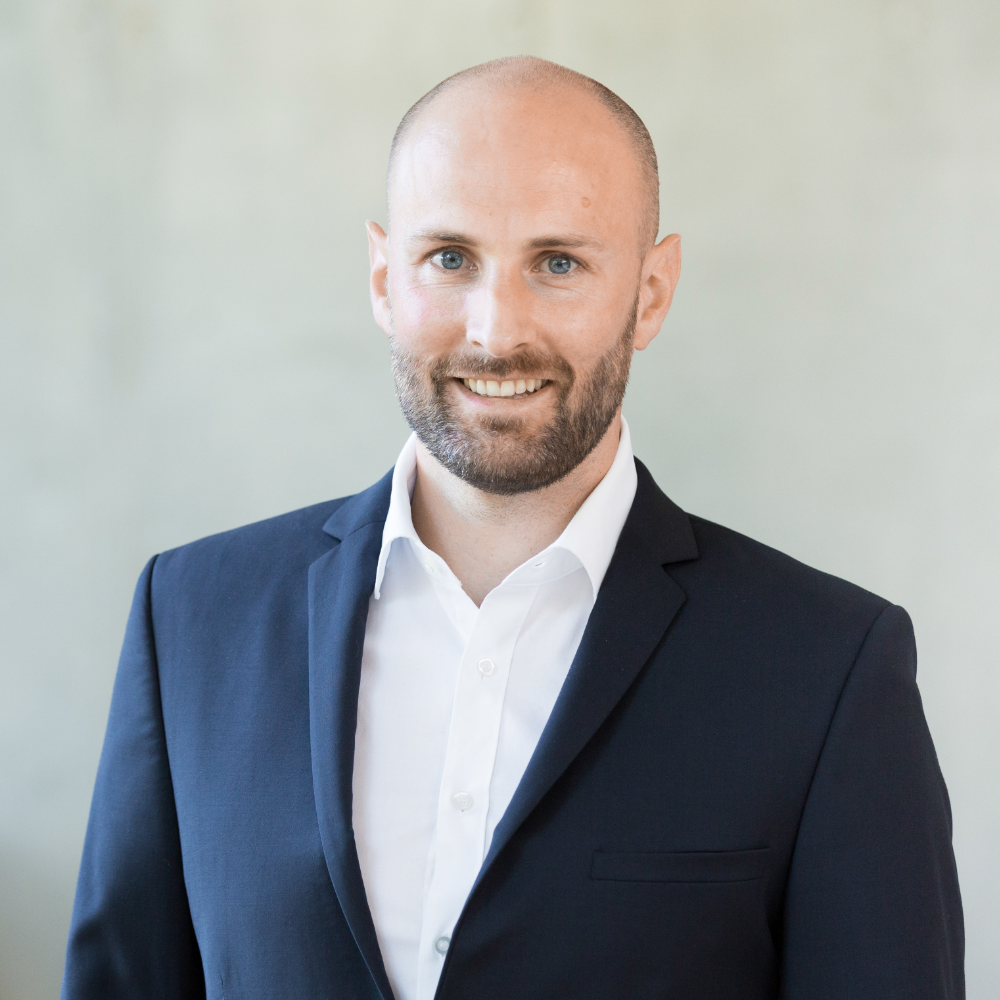
Moritz Mödinger has been working as a scientist at the Research Center for School Sports and Sports of Children and Adolescents (FoSS) at the Institute of Sports and Sports Science (IfSS) of the Karlsruhe Institute of Technology (KIT) since 2019. He is also a part-time lecturer at the Seminar for Teacher Education and Continuing Education in Heilbronn and works as a teacher at the Hölderlin-Gymnasium in Lauffen am Neckar. (NL02/2023)
To the interview (in German)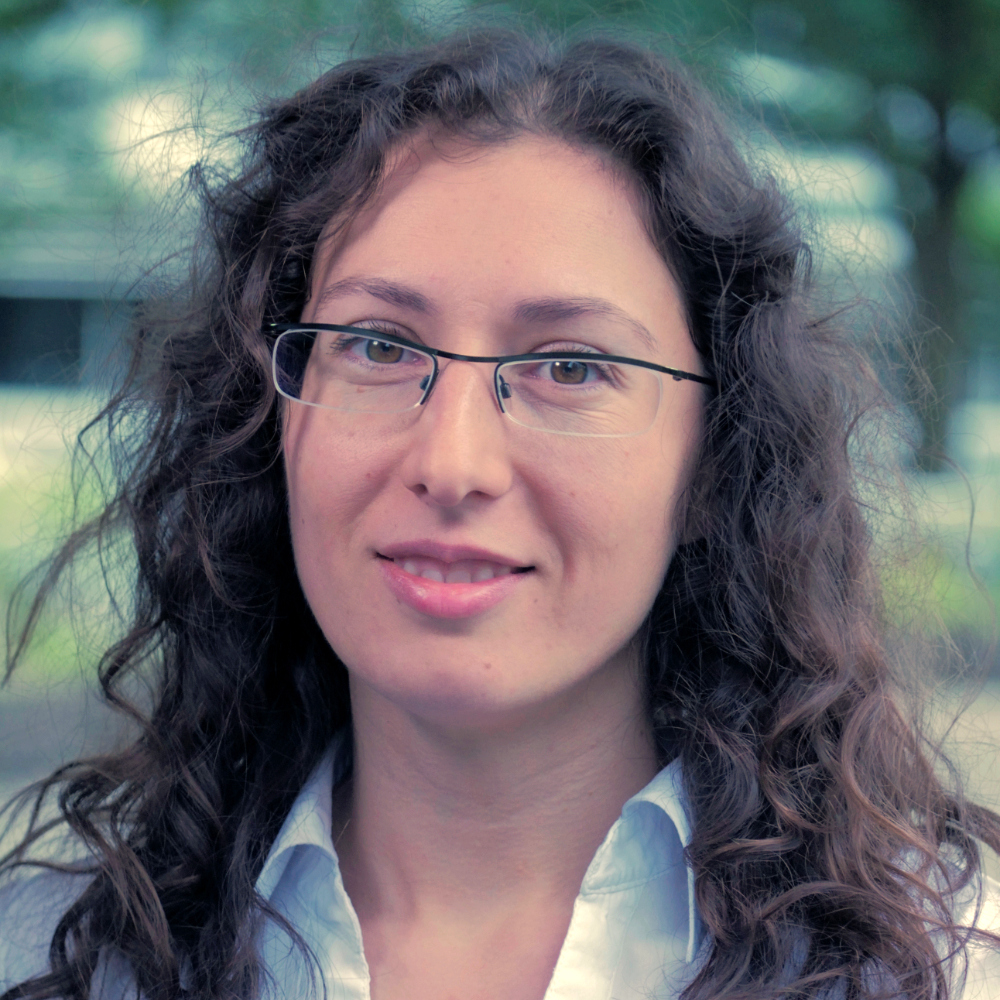
Since June 2012, Polina Häfner has been a scientist at the Institute for Information Management in Engineering (IMI), where she focuses primarily on basic and contract research in the field of virtual reality. (NL01/2023)
To the interview (in German)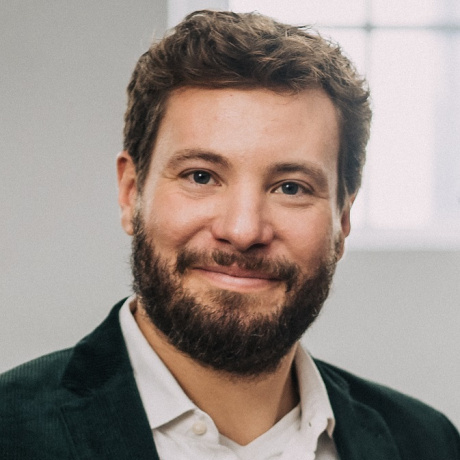
Since 2018, Ingo Wagner has been a junior professor at the Karlsruhe Institute of Technology (KIT) and heads the department of “Interdisciplinary Didactics of STEM Subjects and Sports.” (NL03/2022)
To the interview (in German)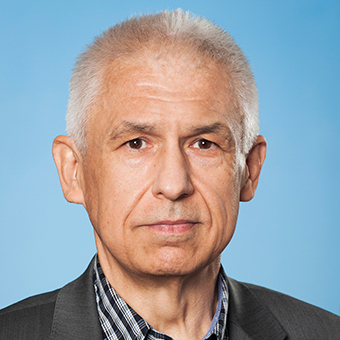
Prof. Dr.-Ing. Dr.h.c. Jürgen Becker heads the Institute for Information Processing Technology (ITIV) and serves as director of the Embedded Systems and Sensors Engineering (ESS) division at the Research Center for Information Technology (FZI). At KIT, he heads the “Embedded Electronic Systems” research division. (NL02/2022)
To the interview (in German)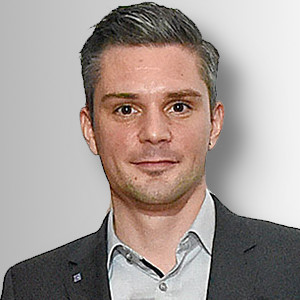
In the fourteenth episode, Matthias Bandtel answers our questions. He is the Executive Director of the Baden-Württemberg Higher Education Network for the Digitalization of Teaching (HND-BW). (NL01/2022)
To the interview (in German)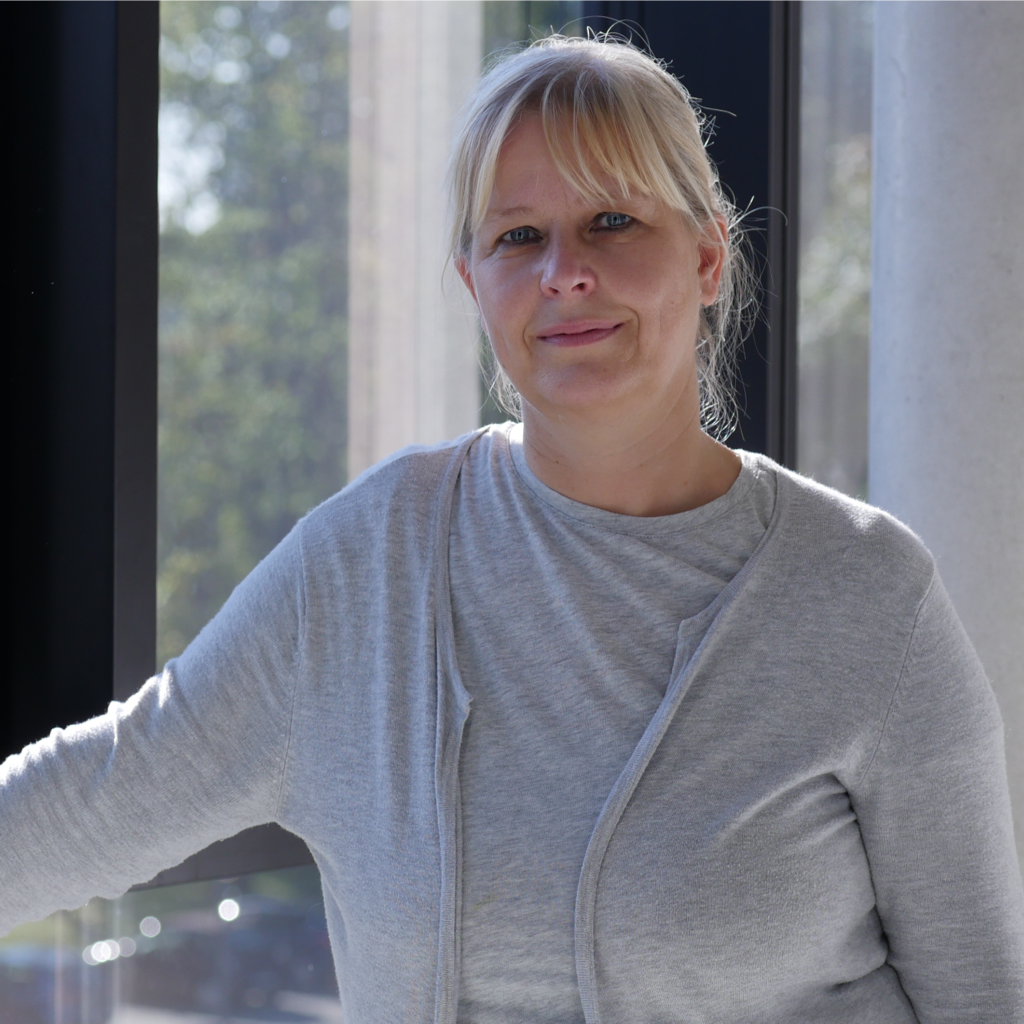
In this year's final episode of "Digitale People," Prof. Dr. Ute Schepers answers our questions. She heads the Chemical Biology Group at the Institute of Functional Interfaces (IFG). She is also a co-founder of the startup vasQlab. (NL03/2021)
To the interview (in German)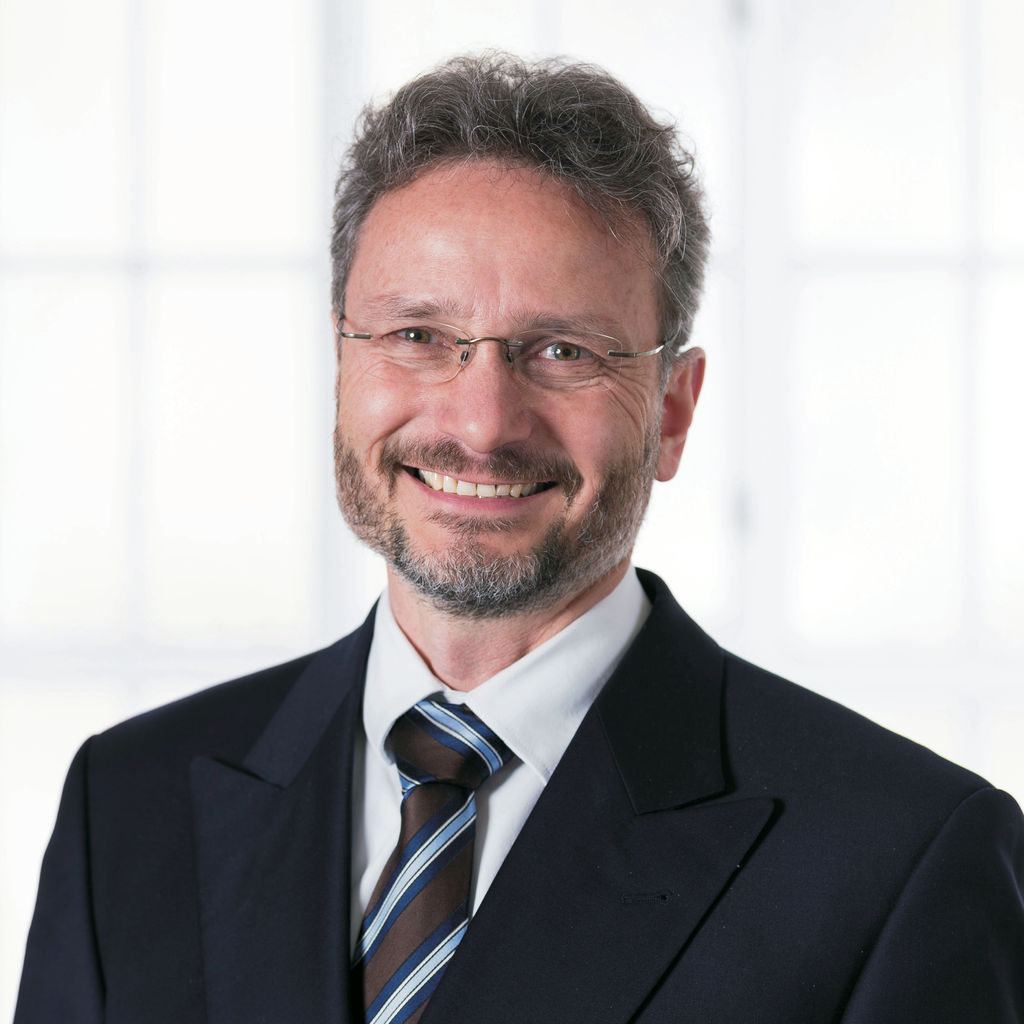
In the twelfth episode, Eric Sax answers our questions. He heads the Institute for Information Processing Technology (ITIV) and serves as director of the ESS division at the Research Center for Information Technology. He is also KIT’s expert on autonomous driving. (NL02/2021)
To the interview (in German)
In the eleventh episode, Dr. Alexander Haas answers our questions. He heads the Digital Office at KIT, which supports KIT in its digitalization. In addition, the Digital Office advises and supports the executive level in shaping the digitalization. (NL01/2021)
To the interview (in German)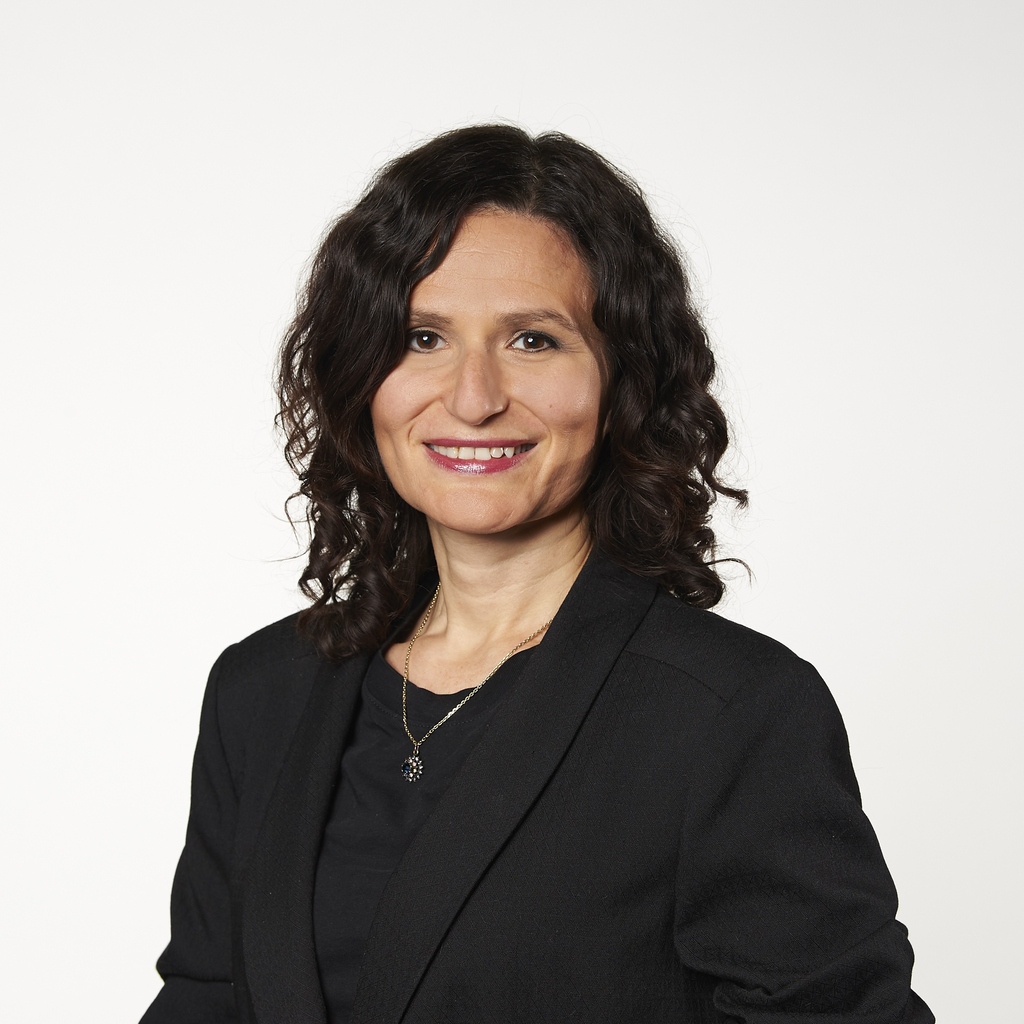
In the tenth episode, Marina Bitmann answers our questions. She has served as KIT’s Data Protection Commissioner since 2013. Her role is to assist KIT in complying with the State Data Protection Act and other data protection laws. (NL03/2020)
To the interview (in German)
In the ninth episode of Digital People, Jivka Ovtcharova answers our questions. A professor with two doctorates in mechanical engineering and computer science, she is the head of the Institute for Information Management in Engineering (IMI) and a director at the Research Center for Information Technology (FZI). Through her institute’s areas of focus, Prof. Ovtcharova plays a key role in making traditional engineering work—based on modern technologies such as virtual reality and artificial intelligence—fascinating and tangible. (NL02/2020)
To the interview (in German)
In the first newsletter of 2020, Professor Dr. Jörn Müller-Quade answers our questions. He is the head of the “Cryptography and Security” research group at KIT and a director at FZI. He is the spokesperson and founder of the KASTEL Center of Excellence. His research focuses on, among other things, secure cloud computing, secure multi-party computation, security definitions and models, and hardware trust anchors. (NL01/2020)
To the interview (in German)
In the seventh episode, Gudrun Thäter answers our questions. She is a member of the Department of Mathematics and conducts research primarily in the divisions of mathematical fluid dynamics and fluid modeling. In addition, she serves as the information officer and has launched a podcast together with Sebastian Ritterbusch. (NL03/2019)
To the interview (in German)
In the second newsletter of 2019, Alexander Waibel answers our questions. He heads the Interactive Systems Lab at the Institute for Anthropomatics and Robotics in the Department of Informatics at KIT. His research focuses on machine learning and speech recognition. (NL02/2019)
To the interview (in German)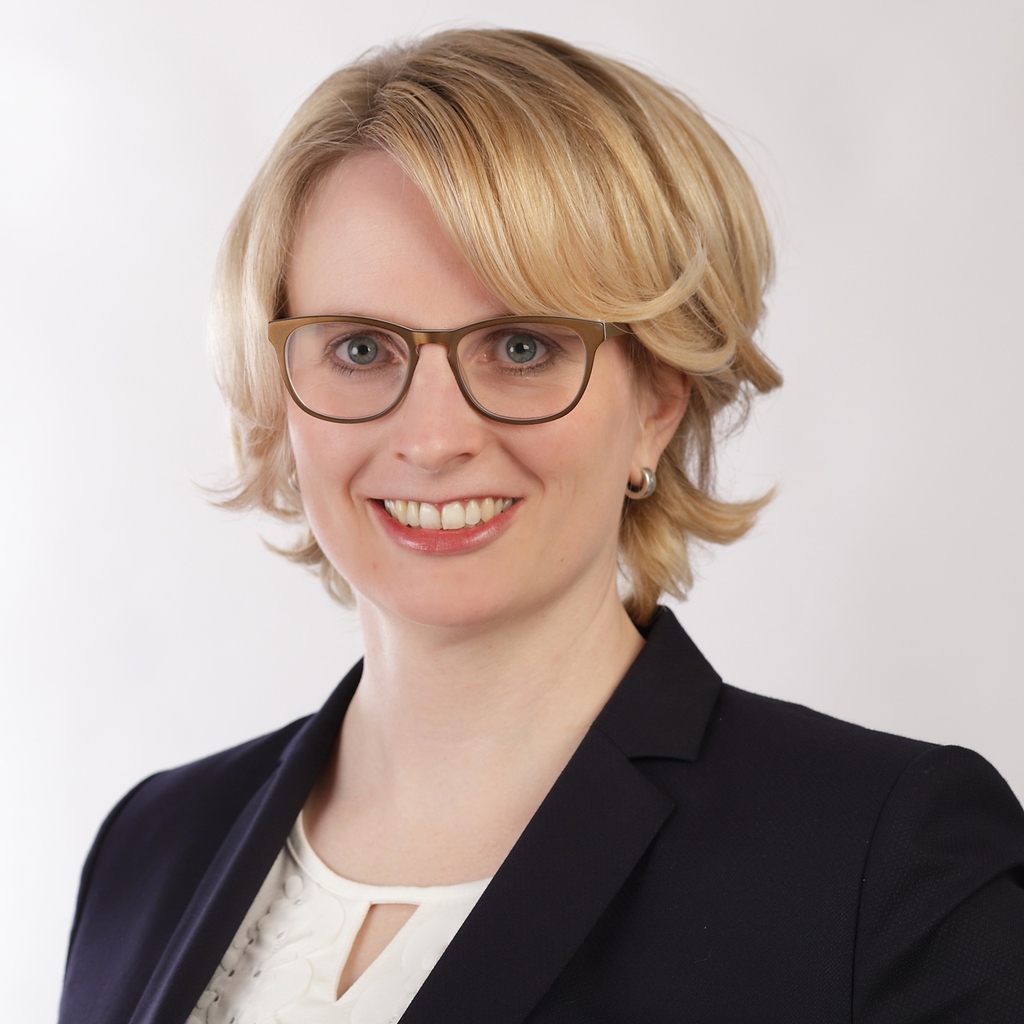
In the first newsletter of 2019, Melanie Volkamer answers our questions. She heads the Security*Usability*Society (SECUSO) research group at KIT, which has been part of the Institute for Applied Computer Science and Formal Description Languages (AIFB) since 2018. (NL01/2019)
To the interview (in German)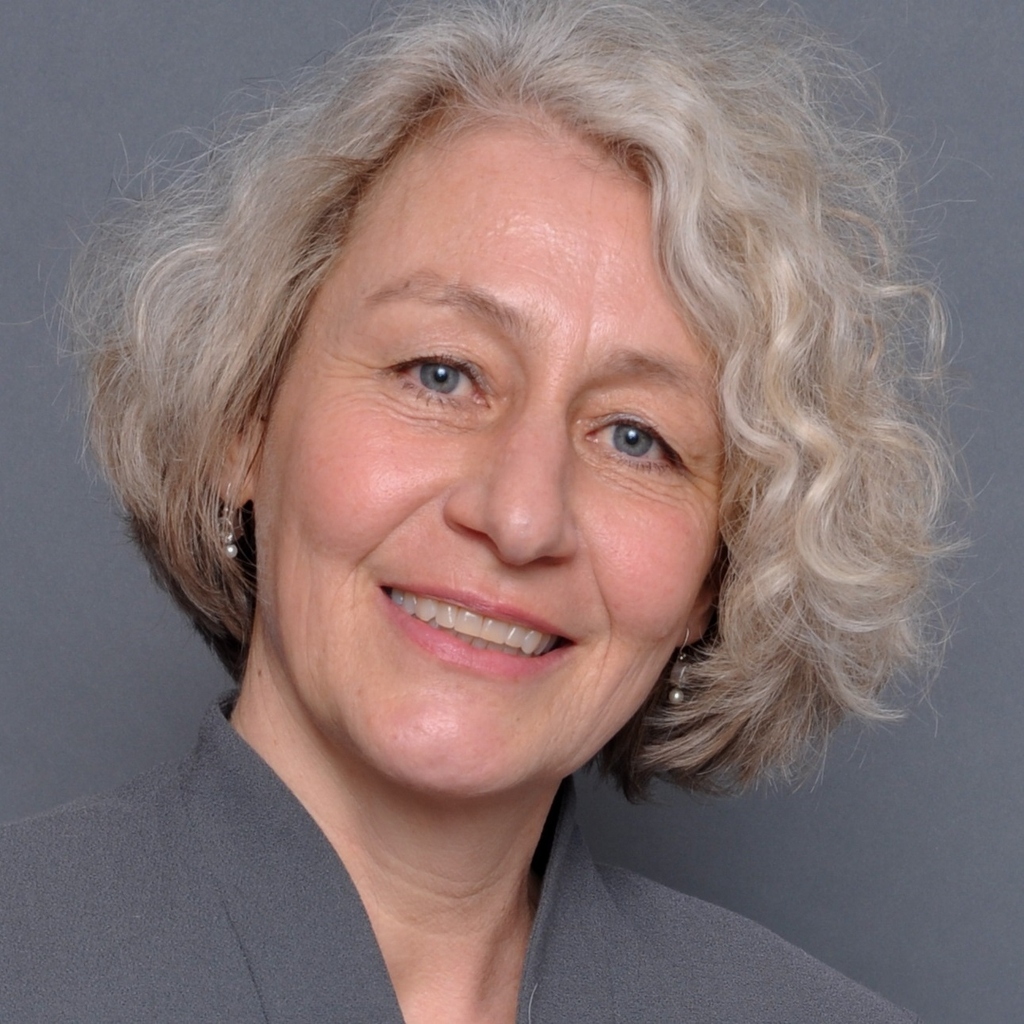
In the fourth episode, Dr. Bettina-Johanna Krings took the time to answer our five questions. She heads the Knowledge Society and Knowledge Policy Research Division at the Institute for Technology Assessment and Systems Analysis (ITAS). (NL04/2018)
To the interview (in German)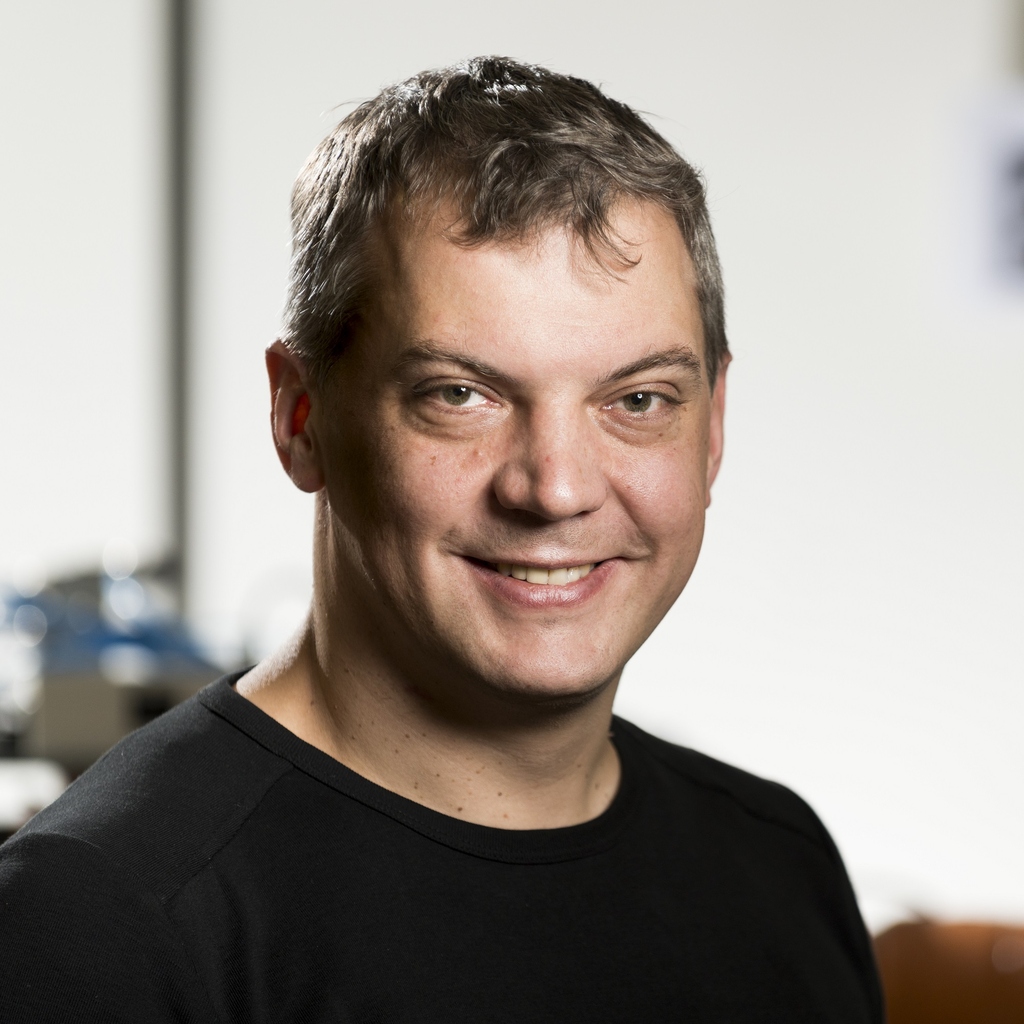
Prof. Torsten Kröger, a member of the head team at the Institute for Anthropomatics and Robotics (IAR) at KIT, answers our questions in the third episode. (NL03/2018)
To the interview (in German)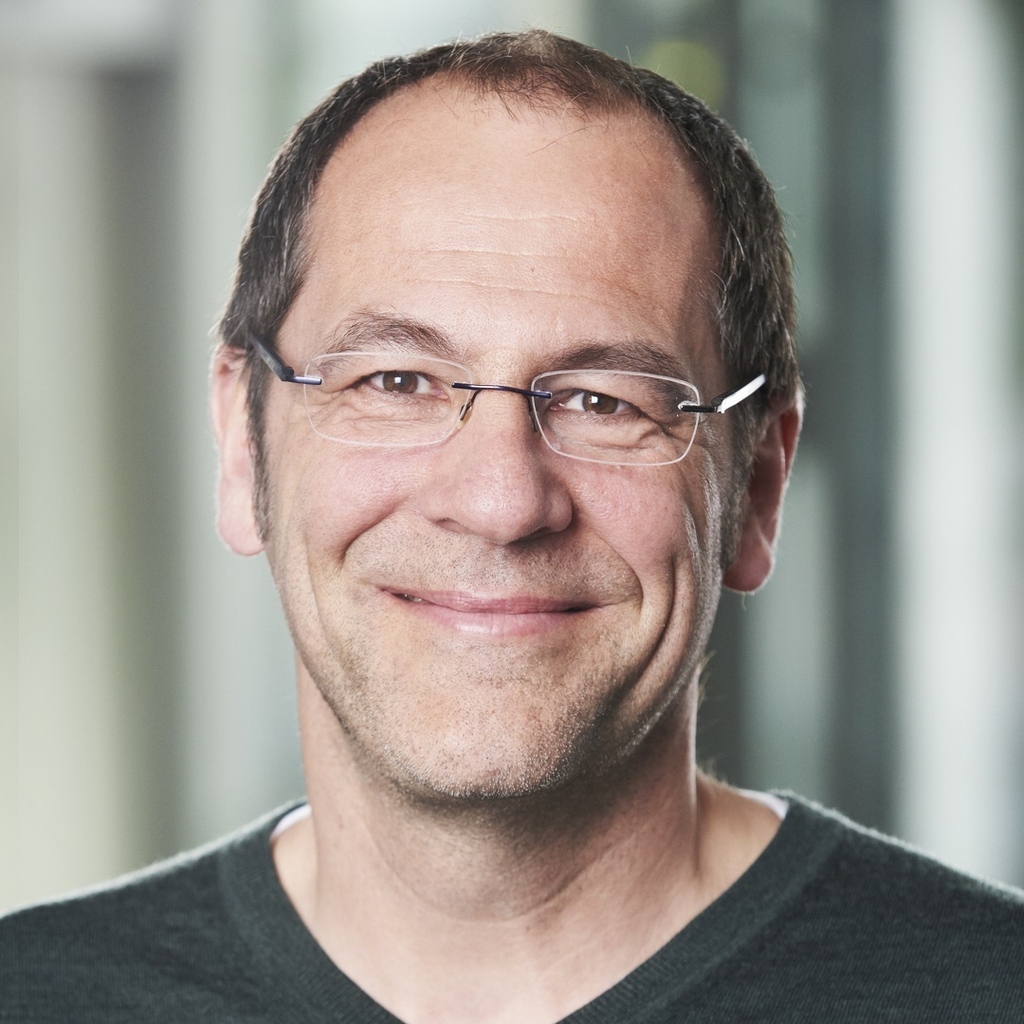
In our second episode, we ask our five questions of Dr. Klaus Rümmele, who heads the International Communications Department within KIT’s International Business Unit. (NL02/2018)
To the interview (in German)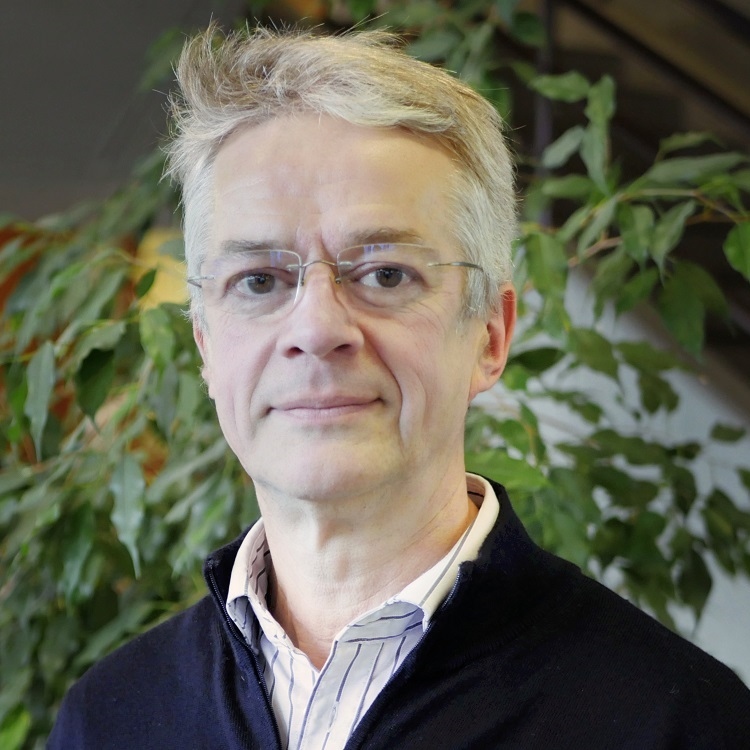
We will begin with Gerd Gidion, the Scientific Director of the Center for Technology-Enhanced Learning and professor of technology education at the Institute for Vocational Education and General Education at the Karlsruhe Institute of Technology. (NL01/2018).
To the interview (in German)